Die 250.000-$-Grenze: Was LLMjacking-Sublimits für Cyber-Makler bedeuten
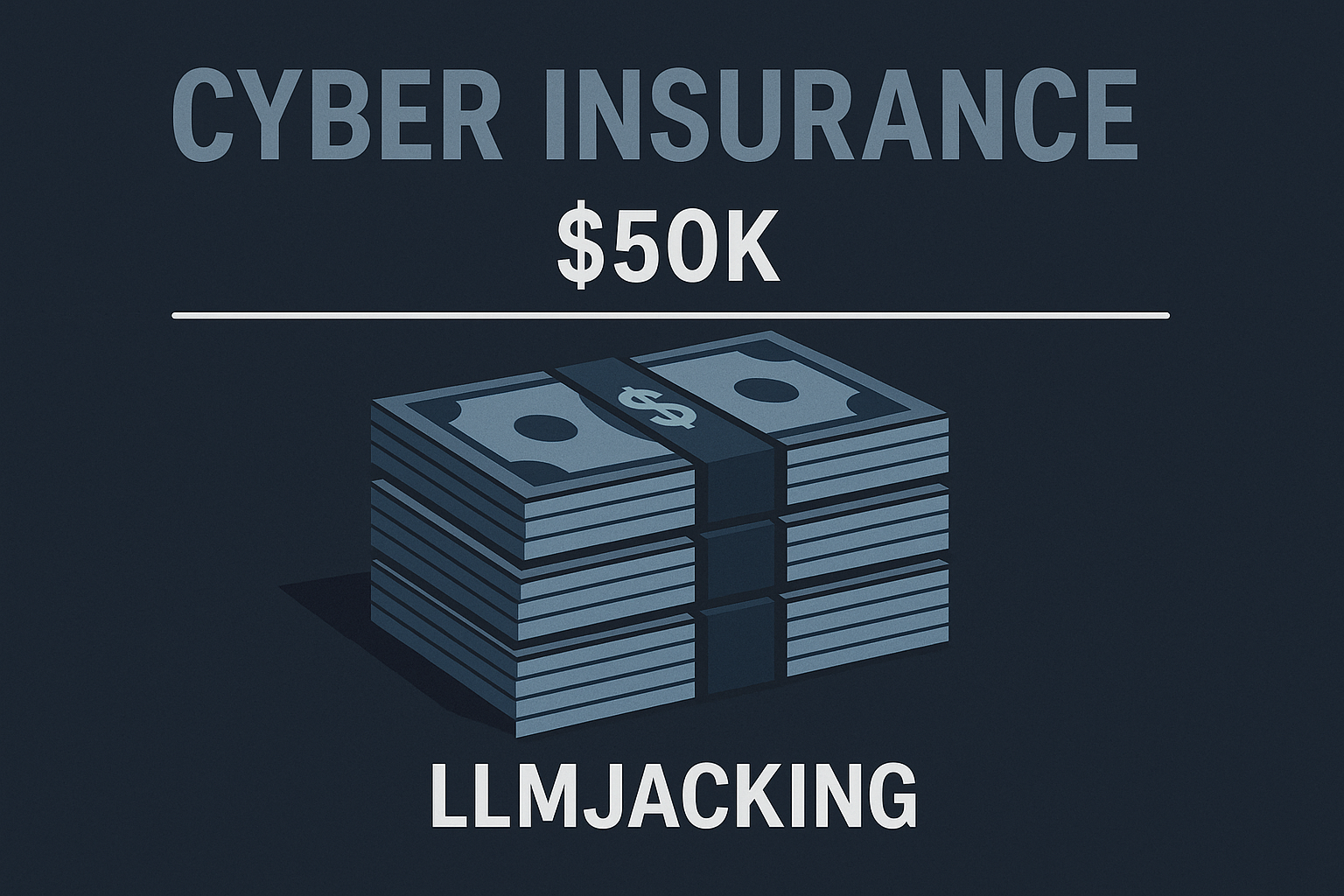
QBE und Beazley setzen mit 10%-KI-Sublimits einen Präzedenzfall. Eine 5-Mio-$-Cyber-Police bedeutet maximal 250.000 $ für LLMjacking. Was Makler vor der nächsten Verlängerung wissen und tun müssen.
Als QBE und Beazley KI-spezifische Sublimits einführten — typischerweise bei etwa 10 % der Policenlimite — sendeten sie ein klares Signal an den Markt: KI-Risiken sind real, und die Versicherer begrenzen ihr Exposure. Doch für Makler, die dies ihren Kunden vermitteln müssen, sind die Auswirkungen schärfer als eine bloße Prozentzahl. Eine 5-Millionen-Dollar-Cyber-Police hat nun eine Obergrenze von 250.000 $ für LLMjacking-Schäden. Reicht das? Für die meisten Mid-Market-Kunden lautet die ehrliche Antwort: wahrscheinlich nicht.
Warum 10 %? Die Logik der Versicherer
Die 10-%-Schwelle kommt nicht aus dem Nichts. Die Versicherer argumentieren, dass KI-Risiken ein neues und schwer zu quantifizierendes Exposure darstellen. Da es kaum historische Schadensdaten zu KI-spezifischen Vorfällen gibt, wenden die Underwriter einen konservativen Risikoaufschlag an. Die Sublimit-Struktur ist ihre Art, das Risiko zu begrenzen, während sie gleichzeitig eine gewisse Deckung anbieten.
Doch es gibt ein Problem: Während die 10-%-Regel für einige Szenarien sinnvoll sein mag, basiert sie nicht auf einer gründlichen Analyse des tatsächlichen LLMjacking-Exposures eines einzelnen Unternehmens. Sie ist eine Pauschalregel — und Pauschalregeln führen selten zu optimalen Ergebnissen.
Was 250.000 $ tatsächlich abdecken (und was nicht)
Zum Vergleich: Die durchschnittlichen Kosten eines schwerwiegenden KI-bezogenen Sicherheitsvorfalls für ein Unternehmen mit 500–1.000 Mitarbeitern liegen je nach Branche zwischen 400.000 $ und 1,2 Mio. $. Eine Obergrenze von 250.000 $ bedeutet:
- Deckt die unmittelbare Reaktion auf einen LLMjacking-Vorfall ab (Erkennung, Eindämmung, erste forensische Analyse)
- Deckt NICHT die Geschäftsunterbrechung, den Wiederaufbau von Modellen oder Reputationsschäden ab
- Lässt eine Deckungslücke von potenziell 150.000 $ bis 950.000 $ — je nach Schwere des Vorfalls
Was Makler jetzt tun sollten
-
Führen Sie eine KI-Expositionsanalyse durch – Bewerten Sie, wie viele KI-Modelle Ihre Kunden einsetzen, auf welcher Infrastruktur sie laufen und welche Daten sie verarbeiten. Diese Analyse ist die Grundlage für jede Sublimit-Verhandlung.
-
Dokumentieren Sie vorhandene Sicherheitskontrollen – Unternehmen mit robusten KI-Governance-Frameworks (Modellüberwachung, Eingabevalidierung, Zugriffskontrollen) haben ein geringeres Risiko und sollten niedrigere Risikoaufschläge aushandeln können.
-
Bereiten Sie sich auf die Verhandlung vor – Kommen Sie nicht mit leeren Händen zur Verlängerung. Bringen Sie eine dokumentierte Risikobewertung, einen Nachweis der Sicherheitskontrollen und eine begründete Schätzung des angemessenen Sublimits mit.
-
Prüfen Sie Sublimit-Ausnahmen – Einige Versicherer bieten Sublimit-Anpassungen für Unternehmen mit nachgewiesener KI-Reife an. Fragen Sie explizit danach.
Der DACH-Markt: Besondere Überlegungen
Der deutschsprachige Markt ist besonders betroffen. Deutsche, österreichische und Schweizer Unternehmen unterliegen der NIS2-Richtlinie, die KI-Sicherheitsmaßnahmen explizit vorschreibt (Artikel 21). Ein Unternehmen, das nach NIS2 meldepflichtig ist und einen LLMjacking-Vorfall erleidet, muss diesen innerhalb von 24 Stunden melden — auch wenn die Versicherung nur 250.000 $ zahlt.
Diese regulatorische Anforderung schafft eine doppelte Belastung: Meldepflicht ohne ausreichende Deckung. Makler im DACH-Raum sollten ihre Kunden aktiv auf dieses Missverhältnis hinweisen.
Fazit
Die 250.000-$-Grenze einer 5-Mio-$-Police ist ein Ausgangspunkt, nicht die finale Antwort. Aber Sie können nur von einer dokumentierten Position aus nach oben verhandeln. Die Makler, die jetzt handeln — strukturierte KI-Risikobewertungen für Kunden vor der Verlängerung durchführen, den Fall für Sublimit-Anpassungen auf der Grundlage realer Nachweise der Governance-Reife aufbauen — werden ihre Kunden besser betreuen und einen Wettbewerbsvorteil aufbauen, während sich dieser Markt weiterentwickelt.
LLMjacking ist keine Hypothese. Es ist eine dokumentierte Bedrohung mit realen Schäden. Und die Lücke zwischen dem, wofür Kunden glauben versichert zu sein, und dem, was tatsächlich gedeckt ist, ist groß genug, um zu zählen.
Sie möchten lernen, wie Sie eine KI-Risikodokumentation für Ihre nächste Verlängerung strukturieren? Wir arbeiten mit ausgewählten DACH-Maklern an KI-Risikobewertungsrahmen. Nehmen Sie Kontakt auf, um zu besprechen, wie wir Ihre nächste Verlängerung unterstützen können.
Michael Guiao Michael Guiao gründete Resiliently AI und schreibt Resiliently. Er hat CISM, CCSP, CISA und DPO-Zertifizierungen — aber sie verfallen lassen, denn im Zeitalter von KI ist Wissen billig. Worauf es ankommt, ist Urteilskraft — und die kommt aus acht Jahren Praxis bei Zurich, Sompo, AXA und PwC.
Get the full picture with premium access
In-depth reports, assessment tools, and weekly risk intelligence for cyber professionals.
Best Value
Professional
€490 /month
Full platform — continuous monitoring, API access, white-label reports
Everything in Starter plus professional tools
Upgrade Now → 30-day money-back
Secure via Stripe
Cancel anytime
Free NIS2 Compliance Checklist
Get the free 15-point PDF checklist + NIS2 compliance tips in your inbox.
Check your inbox! Your checklist download is on its way.
Something went wrong. Please try again.
No spam. Unsubscribe anytime. Privacy Policy
blog.featured
The Death of the Questionnaire: Why Underwriters Now Demand EDR Telemetry Before Binding
Underwriting ·
10 min read
WordPress Plugin Flaw CVE-2023-4213 Exposes 10K+ Sites to Cyber Claims
Cyber Risk ·
6 min read
WordPress Plugin XSS Vulnerability Exposes Cyber Insurance Portfolios to Persistent Web Risks
Cyber Risk ·
5 min read
WordPress Security Plugin Flaw Exposes Organizations to Cyber Claims
Cyber Risk ·
6 min read
Premium Report
2026 Cyber Risk Landscape Report
24 pages of threat analysis, claims data, and underwriting implications for European cyber insurance.
View Reports →Verwandte Artikel

AI Risk · · 5 min read
Beazley vs. Allianz: Two Approaches to AI Risk in Cyber Insurance — What Brokers Must Know in 2026
Beazley uses flat 10% AI sublimits, Allianz uses individual risk assessment with up to 30% uplift. A detailed comparison of the two dominant approaches and what DACH brokers need at renewal.
Llmjacking · · 6 min read
The $250K Ceiling: What LLMjacking Sublimits Mean for Cyber Brokers
QBE and Beazley just set a precedent with 10% AI sublimits. A $5M cyber policy now means max $250K for LLMjacking. Here's what brokers need to know — and do — before the next renewal.