Top Stories
Cyber Insurance
AI Tooling RCE: The Sublimit Layer Underwriters Rarely Underwrite
Two RCE chains in AI development platforms this week land at CVSS 9.9. The insurance angle is the control panel sitting underneath.
Michael Guiao
9 min read


Cyber Insurance · · 7 min read
AM Best and S&P Flag Cyber Pricing Risks: What Underwriters Should Do at Renewal
AM Best and S&P both flagged cyber pricing risks — flat premium, rising third-party claims. What underwriters should do at renewal.
Cyber Insurance · · 8 min read
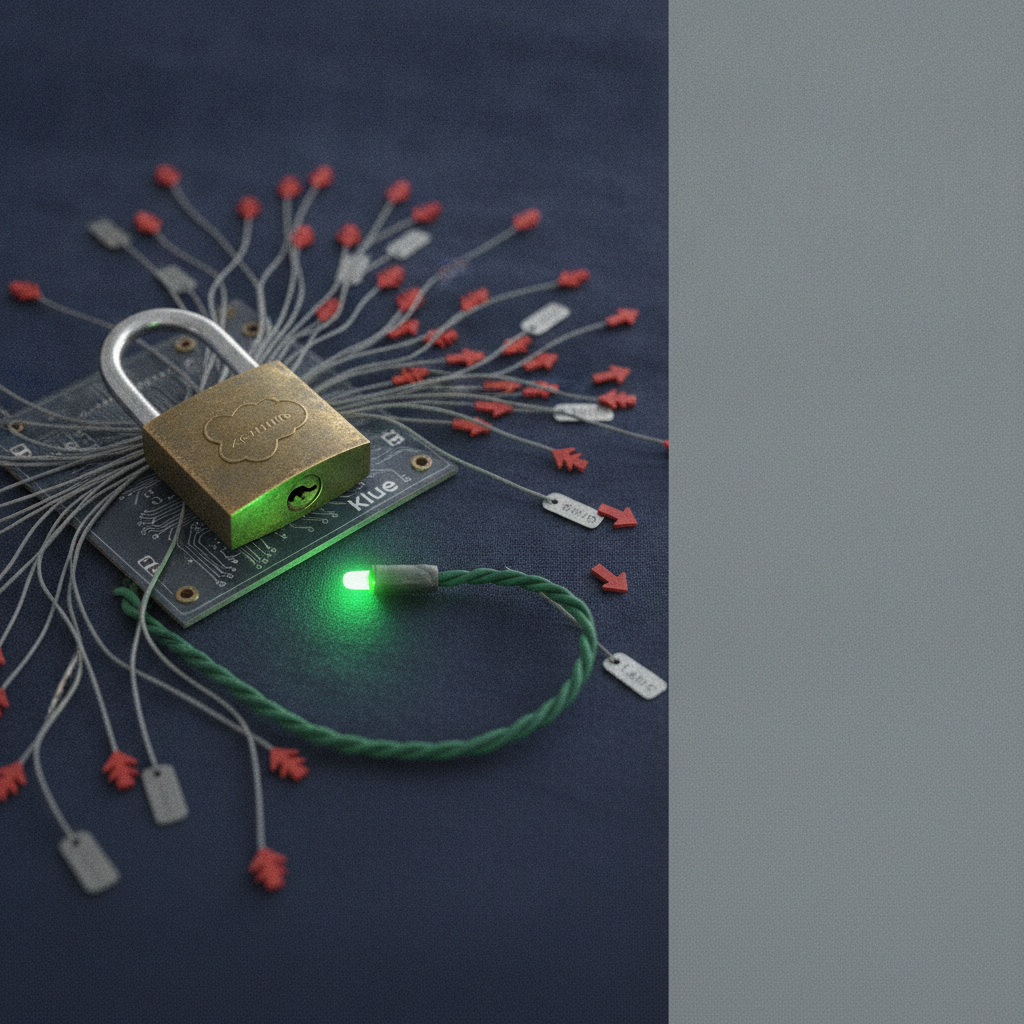
One Salesforce Integration Breach Just Hit 200 Cyber Insureds
A four-year-old Salesforce credential on Klue cascaded into ~200 simultaneous claims in June 2026 — the canonical aggregation-risk event of the year.

Agentic AI · · 11 min read
The Five Toxic Powers of Agentic AI — What Underwriters Need to Know
Agentic AI introduces five double-edged powers that create toxic risk combinations. Here's how underwriters, brokers, and CISOs should assess the threat.

Cyber Risk · · 10 min read
WordPress SQL Injection: CVE-2023-5439 Cyber Insurance Portfolio Risk Analysis
WordPress plugin SQL injection flaws like CVE-2023-5439 consistently drive data breach claims. Learn how to assess cyber insurance portfolio exposure...

Cyber Risk · · 10 min read
WordPress SQL Injection: Cyber Insurance Lessons from CVE-2023-33927
Discover how the WordPress CVE-2023-33927 SQL injection flaw impacts cyber insurance claims frequency, coverage determinations, and underwriting gaps.
blog.featured
AI Tooling RCE: The Sublimit Layer Underwriters Rarely Underwrite
Cyber Insurance ·
9 min read
SolarWinds SAML Bypass: The IT Ticketing Supply-Chain Path
Cyber Insurance ·
9 min read
AM Best and S&P Flag Cyber Pricing Risks: What Underwriters Should Do at Renewal
Cyber Insurance ·
7 min read
One Salesforce Integration Breach Just Hit 200 Cyber Insureds
Cyber Insurance ·
8 min read
Premium Report
2026 Cyber Risk Landscape Report
24 pages of threat analysis, claims data, and underwriting implications for European cyber insurance.
View Reports →